


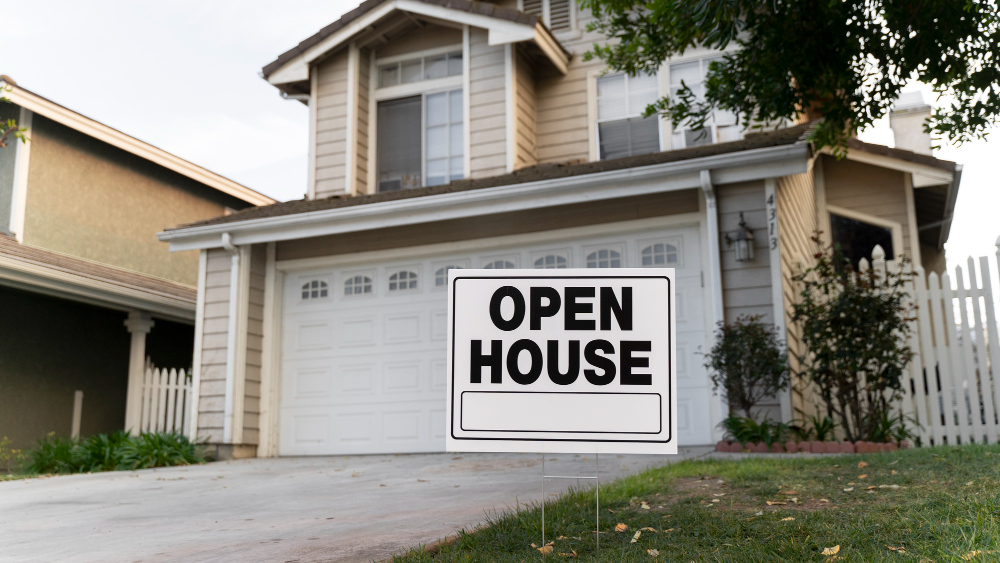
An open house is one of the most powerful tools in a real estate seller's playbook. Done right, it creates buzz, attracts serious buyers, and can even spark a bidding war. But there's a side of open houses that doesn't get nearly enough attention—security.
When you open your doors to the public, you're inviting in strangers. Most of them are genuine buyers. But not all of them are. In fact, law enforcement agencies across the country have documented cases of individuals posing as prospective buyers to steal prescription drugs, jewelry, and other valuables. And even when theft isn't the concern, a few avoidable missteps—like visible political signage or a nervous dog—can quietly kill a buyer's interest before they've even seen the master bedroom.
The good news? A little preparation goes a long way. Here are five things you should secure before your first open house.
1. Prescription Medications
This one surprises a lot of sellers, but it's one of the most important steps you can take. Prescription drugs are a frequent target for theft during open houses—and the bathroom medicine cabinet is often the first place opportunistic thieves check.
The risk is especially high with opioids, stimulants, and other controlled substances. These medications have significant street value, and they can disappear in seconds while a real estate agent is occupied with another visitor elsewhere in the home.
The fix is simple: before your open house, remove all prescription medications from the home entirely or lock them in a secure location that isn't accessible to visitors. Don't rely on simply hiding them in a drawer or under the sink—experienced thieves know all the common hiding spots.
2. Firearms and Ammunition
If you own firearms, they must be properly secured before any open house—no exceptions. Unsecured guns pose a serious safety risk and, depending on your jurisdiction, could expose you to legal liability if something goes wrong.
Ideally, transport your firearms off-premises entirely for the duration of the event. If that's not practical, store them in a heavy gun safe that is bolted to the floor or wall and cannot be removed from the home. The same rule applies to ammunition. A lockbox tucked in a closet is not sufficient—it can be picked up and walked out the door.
Beyond the legal and safety considerations, visible firearms can also make some buyers uncomfortable, which is the last impression you want to leave during a showing.
3. Jewelry, Heirlooms, and Valuables
Open houses are busy, and even the most attentive real estate agent can't keep eyes on every visitor in every room at the same time. That creates opportunity. Small, high-value items like jewelry, watches, heirloom pieces, and cash should be removed from the home before the first visitor arrives.
This applies to items you might not immediately think of as "valuables"—collectibles, signed memorabilia, easily pocketed electronics, and even sentimental items that would be irreplaceable. Before the open house, walk through your home with fresh eyes and ask yourself: what could someone slip into a pocket without anyone noticing?
A practical tip: take photos of your home's contents before the open house. This gives you a clear record of what was there before visitors arrived, and can be invaluable if you discover something is missing afterward.
4. Pets
You love your pets—but prospective buyers may not share that enthusiasm. Animal allergies are more common than many sellers realize, and even a brief encounter with pet dander can leave a buyer feeling physically uncomfortable, or worse, mentally associating your home with that discomfort.
Beyond allergies, some buyers are genuinely nervous around animals—even friendly ones. An excited dog jumping on guests or a cat weaving through people's legs during a walkthrough is distracting at best and off-putting at worst.
For open house day, arrange for your pets to stay with a friend, family member, or at a boarding facility. Take their food bowls, toys, and bedding with you too. Removing signs of pets altogether allows buyers to imagine the home as their own—which is exactly the mindset you want them in.
5. Political and Religious Materials
This one is less about security in the traditional sense and more about protecting your sale. Buying a home is one of the largest financial decisions a person will make, and buyers want to picture themselves living in the space. Anything that signals a strong personal, political, or religious identity can create an unintentional barrier.
Political yard signs, bumper stickers on the garage, religious artwork, or partisan bumper magnets on the fridge can inadvertently alienate a portion of your buyer pool—even if it's just a subconscious reaction. It's not about hiding who you are. It's about presenting a neutral, welcoming canvas that appeals to as many buyers as possible.
For the duration of your open house, store political and religious materials out of sight. It's a small step that can make a meaningful difference.
Sell Smart with an Experienced Local Agent
Preparing your home for an open house is part art, part strategy—and the details matter. If you're getting ready to sell your home in the Prescott area and want expert guidance every step of the way, Tim Anderson with BloomTree Realty is the person to call.
With over 40 years of experience in Prescott area real estate, Tim brings a depth of local knowledge and a track record that speaks for itself. Whether you're preparing for your first open house or navigating a more complex sale, Tim is ready to help.