


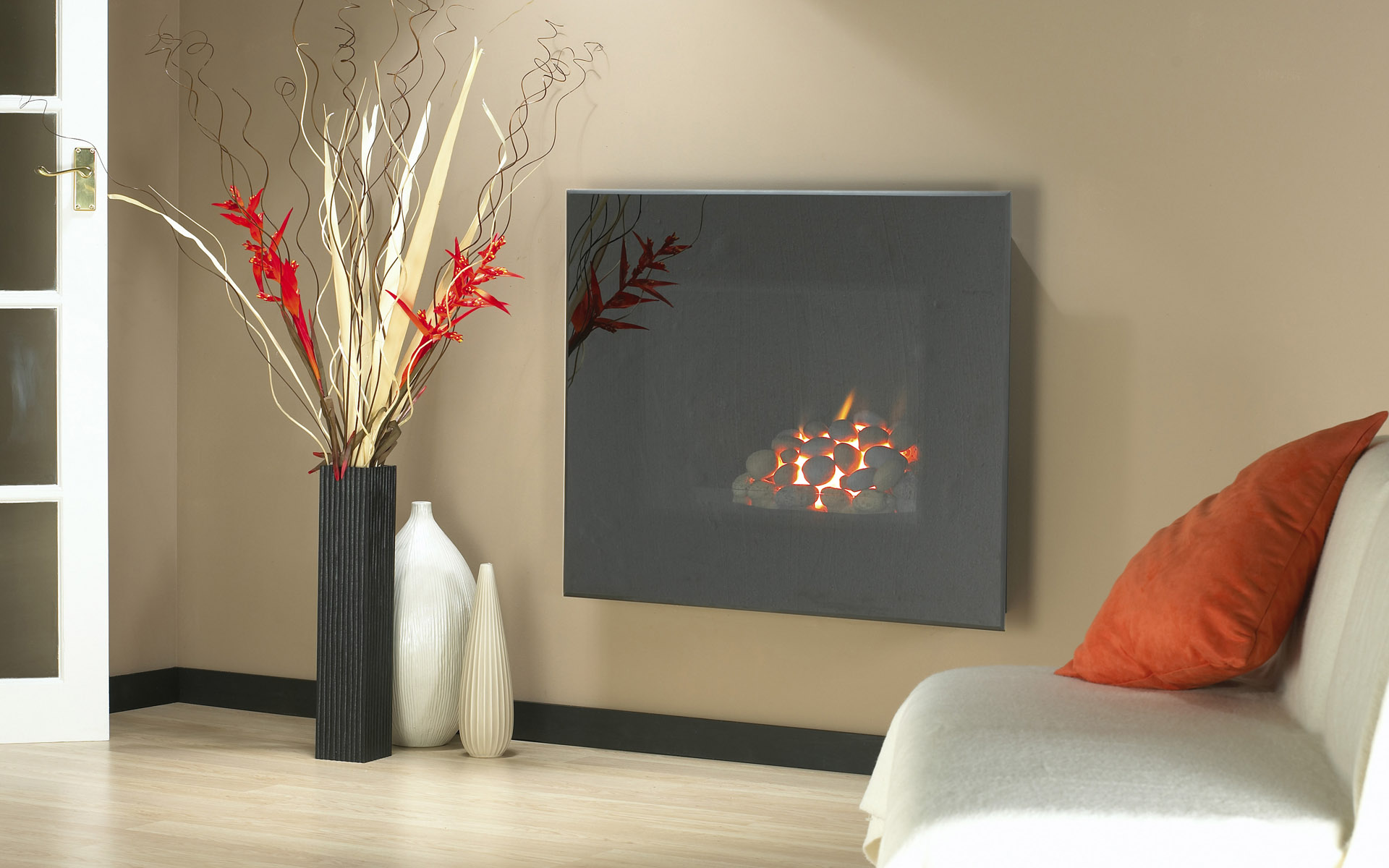
First Impressions Matter: Why Home Staging Boosts Your Sale Price
You only get one chance to make a first impression. When a potential buyer walks through your front door, they form an opinion about your home within seconds. That initial feeling—whether it's "wow" or "work"—often dictates if they will make an offer and how much they are willing to pay.
Home staging isn't just about making things look pretty. It is a strategic marketing tool designed to showcase your home’s best assets, impress buyers, and sell it quickly for the highest possible price.
The Psychology of the Sale
Buyers aren't just looking for a structure; they are looking for a lifestyle. They need to visualize themselves living in the space, hosting dinners, and relaxing on weekends. If your home is cluttered with personal items or filled with oversized furniture, that visualization becomes impossible.
The layout and style of your furnishings significantly impact how spacious a room feels. A well-staged room shows buyers exactly how to use the space, eliminating guesswork. Instead of wondering if a queen-sized bed fits in the guest room, staging proves it does—with room to spare.
According to the National Association of Realtors, 82% of buyers' agents said staging a home made it easier for a buyer to visualize the property as a future home. Furthermore, staged homes often spend less time on the market compared to non-staged homes.
The Three Pillars of Effective Staging
You don't need to hire a professional designer to reap the benefits of staging. Focusing on three key areas can dramatically improve your home's appeal.
1. Decluttering: Less is More
Clutter eats equity. Piles of mail, overflowing bookshelves, and crowded countertops make rooms feel small and chaotic. Your goal is to create a sense of spaciousness.
Start by packing away anything you haven't used in the last three months. Clear off kitchen counters, leaving only one or two decorative items, like a bowl of fruit or a coffee maker. In closets, remove half of your clothes. Buyers will open closet doors, and packed racks suggest a lack of storage space.
2. Depersonalizing: Let Them Move In
While your family photos and children's artwork make your house a home, they can distract buyers. You want them to see their future, not your past.
Remove family photos, diplomas, and highly specific collections. Replace them with neutral artwork or mirrors, which reflect light and make rooms feel larger. The goal is to create a blank canvas that appeals to the widest range of buyers possible.
3. Curb Appeal: The First "First Impression"
Before a buyer ever steps inside, they see the exterior. If the outside looks neglected, they assume the inside is too.
Make sure your lawn is mowed, bushes are trimmed, and the walkway is swept. A fresh coat of paint on the front door and a new welcome mat can do wonders. Even small touches, like planting colorful flowers or power-washing the driveway, signal that the home has been well-maintained.
Layout and Flow
How you arrange your furniture dictates how buyers move through the home. Ensure there are clear walking paths. If you have to turn sideways to get past the sofa, the furniture is too big, or the placement is wrong.
Pull furniture away from the walls to create cozy conversation areas. This "floating" technique can actually make a room feel larger than pushing everything against the perimeter.
Conclusion
Staging is an investment in the sale of your home. By controlling the first impression, optimizing the layout, and presenting a clean, depersonalized space, you significantly increase the likelihood of a fast sale at a premium price.
Take a weekend to view your home through the eyes of a stranger. Walk through your front door and ask yourself: "Would I buy this house?" If the answer is hesitant, it’s time to start staging.