


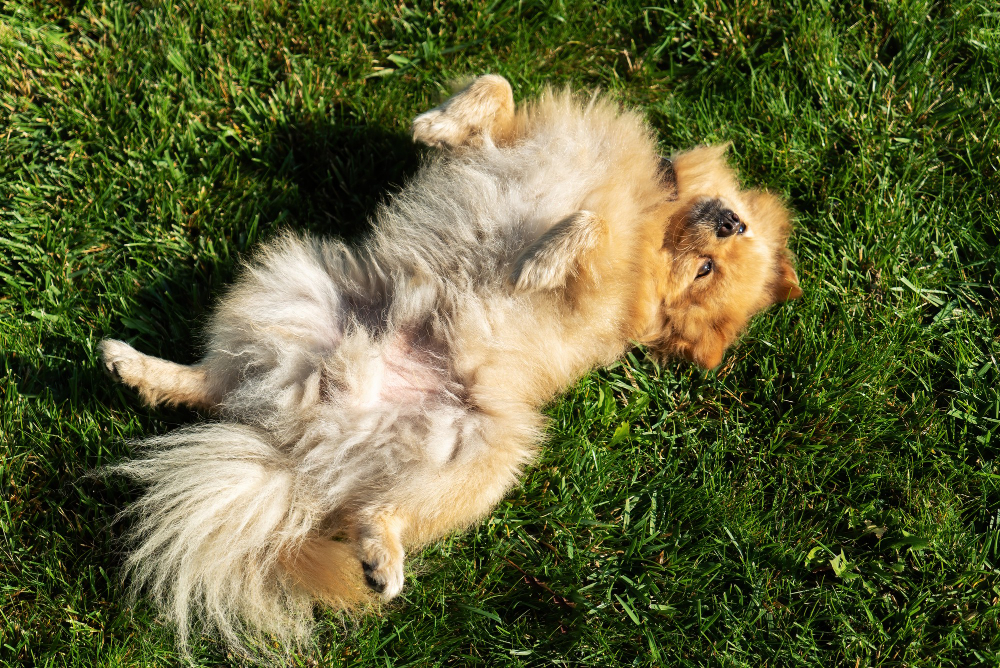
While it’s true that many pet owners think of their dogs as their children, some fail to consider them properly when buying a new home and making a big move. You will need to think about what’s best for your dog before, during, and after the move. Here are some tips for the considerate pet owner.
Before the Move
If your dog is a big part of your life (and they should be), you’ll want to ensure they are safe and comfortable in your new house. Your dog should be on your mind during your house search. For starters, make sure that the backyard is a safe space. Is it fenced-in? If not, can you feasibly build a fence? What are the neighboring pets like? Does the next-door neighbor have a large, aggressive dog? Does it bark a lot? Think about how these things will affect the life of your dog.
If you want to see how your dog reacts to a prospective new home, take them for a trial visit before you sign any papers. Always check with the current homeowner/real estate agents first, of course.
During the Move
Moving is just as stressful - if not more so - for your dog as it is for you and your family. The best way to be considerate of your dog during a move is to get them as far away from the move as possible. If you have the option, leave your dog with a friend or family member for a few days while moving.
Not everyone has the ability to get their dog completely out of the house during a move. If so, you should do what you can to keep them as far away from the action as possible. Keep them in a well-stocked room with the door closed during the move, or put them in a crate or kennel in the garage. This will help you or your movers and keep your dog out of the fray, which can be overwhelming.
After the Move
They key to helping your dog get used to their new home is to explore cautiously and keep them confined at first. You should take your dog on a tour of the new home - but only by your side. Don’t just let them roam free. Try dropping treats like bread crumbs as you take the tour so your dog will see that the new home is a fun, non-threatening place.
Create a safe space with treats, toys, and their bed. Keep them mainly in this spot for a while. This can be a specific room of the house, or you can make a barrier with baby gates.
If your dog is a significant part of your life, you’ll want to consider their needs at all stages of a move - from looking for the right house for them to keeping them safe and secure during the move and finally making sure they acclimate to their new home. Remember that everyone is stressed out during a move - dogs included.